Senvix represents a cutting-edge AI-fueled Senvix trading solution embraced by countless traders within Spain. The Senvix registration process is a breeze — establish your complimentary account, explore the Senvix trial, and embark on your Senvix investment voyage. Become part of a community that has earned Senvix testimonials noted for their positivity in the sphere.

Senvix represents a cutting-edge AI-fueled Senvix trading solution embraced by countless traders within Spain. The Senvix registration process is a breeze — establish your complimentary account, explore the Senvix trial, and embark on your Senvix investment voyage. Become part of a community that has earned Senvix testimonials noted for their positivity in the sphere.
What does Senvix offer? It’s an innovative Senvix trading application utilizing proprietary artificial intelligence to analyze cryptocurrency, forex, and stock markets instantaneously. The Senvix algorithm evaluates millions of data points each second, uncovering lucrative opportunities ahead of the market’s reaction. Whether you’re a seasoned day trader or just venturing into Senvix trading for the first time, our platform molds itself to fit your expertise and aspirations.
Numerous Senvix user testimonials validate our findings: users of the Senvix platform gain access to insights previously available only to large investment firms and banks. The built-in copy-trading feature enables you to emulate leading strategies, simplifying your path to profit with Senvix as you learn. Each Senvix transaction is supported by transparent AI insights, allowing clarity on why each opportunity caught our attention.
Robust security underpins the Senvix trading mechanism — multi-faceted AES-256 encryption and compulsory two-factor authentication safeguard every Senvix access. Independent cybercrime watchdogs examine our systems quarterly, which is why Senvix is trusted by traders across Spain and beyond. Check the Senvix site to confirm our security credentials.
The influence of artificial intelligence and machine learning has drastically transformed financial markets, paving the way for the swift processing of enormous volumes of unstructured information. Conventional trading heavily leaned on personal intuition and manual analysis, but the advent of neural networks, natural language processing, and reinforced learning frameworks has empowered systems to uncover nuanced relationships among countless instruments concurrently. Cutting-edge tech can analyze earnings calls, central bank communications, retail traffic images, and shipping data to produce insights that an individual analyst could rarely compile. The falling costs of computational capabilities, extensive training datasets, and advanced model designs means that the barriers for entry into AI-assisted trading diminish, allowing retail participants previously devoid of these tools to benefit from them.
Algorithmic trading has a lengthy tradition stretching back to the digital trading inception in the 1970s, when the New York Stock Exchange launched its Designated Order Turnaround system to handle orders electronically. In the 1980s and 1990s, quantitative hedge funds like Renaissance Technologies and D.E. Shaw revealed that systematic, data-focused tactics could yield dependable, risk-adjusted returns beyond those of conventional stock selection. By the 2000s, high-frequency trading entities had surfaced, executing millions of trades daily and capitalizing on fleeting price variations across marketplaces. Today, the accessibility of algorithmic resources empowers individual traders to implement strategies that were once the domain of billion-dollar institutions. Cloud platforms provide instant processing capabilities, open-source repositories offer pre-designed machine learning solutions, and consumer-oriented platforms bundle these technologies into user-friendly interfaces requiring no coding capabilities.
Automated portfolio management offers distinct benefits over manual methods, particularly for traders unable to maintain constant market vigilance. Systematic rebalancing guarantees portfolio allocations stay true to predetermined risk levels, automatically reducing positions that swell excessively and increasing allocations to underrepresented assets. This organized strategy alleviates emotional biases that can hinder discretionary traders, like the inclination to cling to losing investments in hopes of recovery or to close winning positions prematurely due to fear. Furthermore, automated systems can carry out sophisticated multi-leg strategies across various asset classes simultaneously, upholding hedged positions and seizing spread chances that would prove operationally daunting when handled manually. This culminates in a more consistent, less stressful trading experience that operates seamlessly around the clock.
Data-oriented decision making signifies a shift from depending on gut feelings and anecdotal evidence toward a rigorous, empirical trading methodology. By gathering and interpreting historical price data, volume metrics, order book depth, options flow, and economic indicators, traders can formulate a quantitative framework for evaluating prospects. Statistical techniques such as regression analysis, time series dissection, and Monte Carlo simulations provide a mathematically sound basis for estimating probabilities and projected returns. The primary advantage of this framework is its repeatability and testability: hypotheses can be formed, backtested against historical data, cross-validated in out-of-sample periods, and continuously refined. This scientific method reduces the effects of cognitive biases like confirmation bias, anchoring, and recency bias, which research in behavioral finance indicates are frequent contributors to detrimental trading outcomes.
Multi-asset diversification is a cornerstone principle in portfolio theory, grounded in the Nobel Prize-winning insights of Harry Markowitz on mean-variance optimization. By spreading investments across assets with low or negative correlations — such as stocks, bonds, commodities, currencies, and cryptocurrencies — investors can attain a more advantageous risk-return profile compared to focusing on any single asset. Historically, during times of market distress, government bonds and gold have played a crucial counterbalancing role, cushioning overall portfolio losses. In the crypto realm, the relationship between digital assets and traditional markets has fluctuated considerably over time, fostering opportunities for dynamic allocation strategies. A well-diversified portfolio also mitigates the effect of idiosyncratic risks, like regulatory crackdowns on certain cryptocurrencies or an earnings miss from a particular firm, thus preventing any single incident from inflicting catastrophic losses.
Backtesting is an essential phase in constructing a sound trading strategy, allowing for a historical evaluation of how a system would have thrived under genuine market circumstances. A comprehensive backtesting regimen involves establishing clear entry and exit criteria, determining position sizing and risk management parameters, and subsequently applying these criteria to historical price data amid various market conditions, including bull runs, bear markets, sideways markets, and periods of heightened volatility. Noteworthy factors include accounting for transaction costs, slippage, and market influence, which can notably reduce the profitability of strategies appearing lucrative in frictionless scenarios. Walk-forward analysis, where the strategy is refined on one timeline and validated against a subsequent out-of-sample period, helps guard against overfitting — the perilous tendency to curve-fit a model to historical noise instead of actual predictive signals. Traders should also employ sensitivity analysis to comprehend how strategy effectiveness shifts when altering key parameters, ensuring robustness over a wide range of conditions.
Grasping market microstructure and order flow gives traders a profound insight into price evolution and liquidity dynamics. Market microstructure examines how exchanges align buy and sell orders, how market makers establish bid-ask spreads, and how information is incorporated into prices through the continuous interaction of informed and uninformed agents. Order flow analysis inspects the sequence and magnitude of incoming orders to identify imbalances between buying and selling pressures, often presaging directional price movements. Instruments such as volume profiling, footprint charts, and order book heat maps enable traders to visualize where liquidity is robust and where it is sparse, highlighting potential support and resistance levels based on real transaction activity rather than just technical hypothesis. Comprehending concepts like order book depth, time and sales data, and the difference between passive and aggressive orders offers a structural advantage that complements traditional technical and fundamental market analysis.
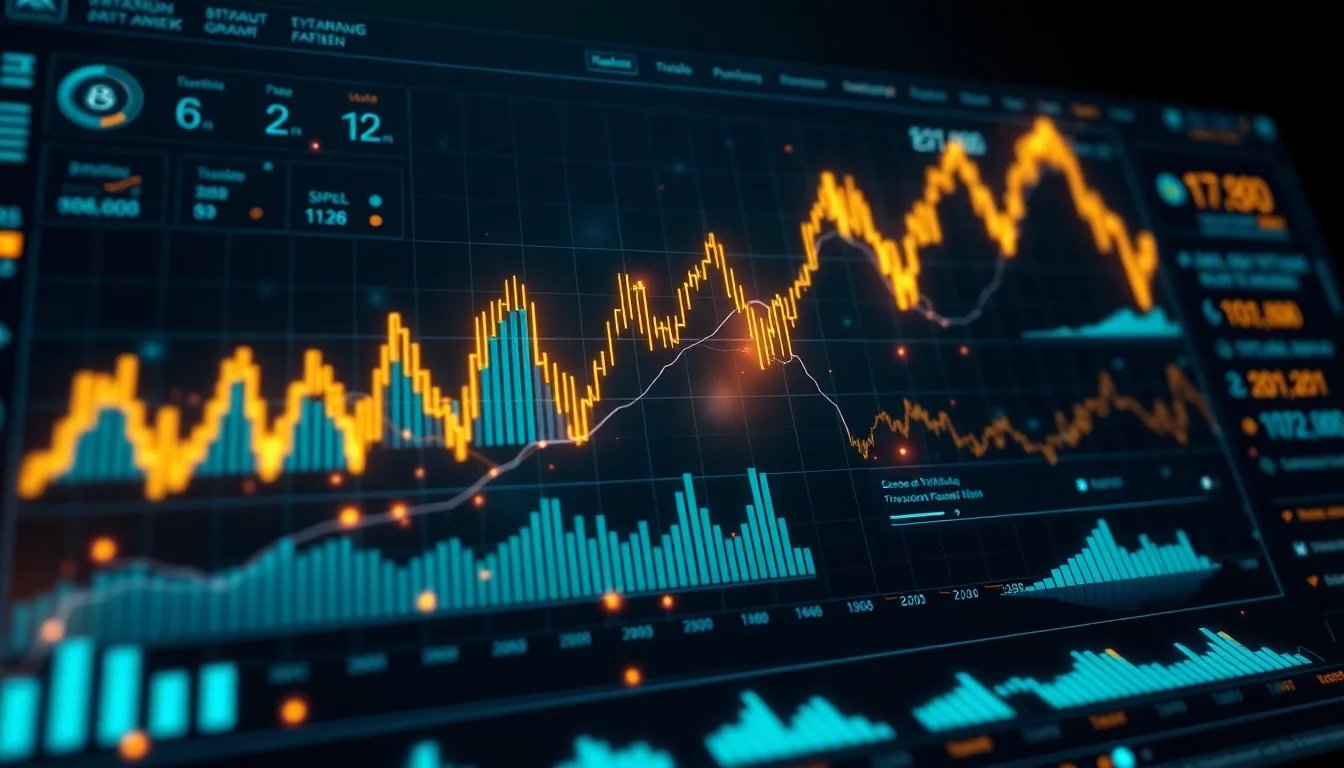
The Senvix platform integrates every facet of contemporary trading into one seamless interface. Tap into real-time price streams, Senvix AI-derived insights, portfolio metrics, and automated risk safeguards — all in one place. From day trading to long-term Senvix investment, our ecosystem empowers you to execute your strategy with precision. Traders in Spain gain access to specialized market intelligence, and the Senvix app Spain delivers this power on the go. Here’s how Senvix operates — sophisticated technology encapsulated in a lucid, user-friendly experience. The fusion of charting, execution management, risk assessment, news updates, and performance tracking into a single workspace alleviates the cognitive burden of toggling between various applications, each with its own login requirements and data schemas. Insights in human-computer interaction consistently affirm that context switching imposes a substantial mental toll, degrading decision quality and prolonging response time. By amalgamating all critical trading functions into one cohesive environment, traders can remain focused on analyzing the market instead of battling fragmented tools, which leads to faster and more assured execution as opportunities present themselves. A consolidated platform guarantees that all elements share real-time data flows, resolving synchronization delays and data disparities that often plague users who depend on separate charting, execution, and portfolio monitoring applications. This structural advantage becomes particularly crucial during rapidly evolving market occurrences, such as central bank statements, earnings reports, or geopolitical shifts, where even a few moments of delay between receiving a signal and executing an order can influence capturing an attractive entry or forgoing a significant movement entirely. Analyzing cross-asset correlations gains considerable efficacy when handled within a unified setup capable of processing price information, volatility metrics, and order flows across equities, currency markets, commodities, and cryptocurrencies. Traders can create custom correlation matrices, track rolling correlation coefficients in real-time, and receive alerts for instances when historically aligned assets diverge — a scenario often heralding an impending reversion or shifts in market trends. This multidimensional perspective on inter-market dynamics allows for more advanced hedging tactics and portfolio design strategies than would be possible through isolated tools. Real-time portfolio oversight offers a continual view into overall exposure, unrealized gains and losses, margin use, and risk indicators such as value-at-risk and peak drawdown. Instead of awaiting end-of-day summaries or manually calculating portfolio statistics, traders receive immediate updates as each position fluctuates, enabling prompt modifications to uphold their desired risk profile. Alerts can be customized to notify users when specific limits are exceeded, such as overall portfolio losses surpassing a set percentage or a single position expanding beyond its intended allocation, ensuring that risk management stays proactive rather than reactive.


Each suggestion from the Senvix trading software is grounded in a clear explanation. Our AI system clarifies precisely why a certain opportunity was brought to light — detailing the detected technical patterns, observed sentiment shifts, and aligned macro indicators. Does Senvix deliver? The data is clear: verified performance indicators are accessible to all registered users. This straightforward method empowers traders to educate themselves as they engage with the market, turning intricate market data into practical intelligence. Senvix is it trustworthy? Our proven record and expanding circle of happy users affirm it. Explainable AI has emerged as a fundamental principle of responsible fintech, based on the understanding that both traders and regulators require insight into the rationale behind automated recommendations. Unlike opaque black-box algorithms that provide outputs without context, explainable systems dissect their decision-making mechanics into understandable components, such as the importance given to technical inputs, sentiment analyses from recent articles, and the economic context that shapes the overall evaluation. This openness not only fosters trust among users but also encourages them to hone their analytical skills by reviewing the logic of each signal, effectively transforming every trading alert into a teaching moment. Building trust is critical in the relationship between a trader and an automated system, and transparency serves as the vehicle through which that trust is established and upheld. When users can see precisely which data influenced a recommendation and how those factors were weighted, they gain the confidence to respond to signals promptly, avoiding second-guessing the system in pivotal moments. This assurance is especially vital during turbulent market periods, when emotions peak and the urge to override systematic signals with impulsive choices becomes strongest. A transparent setup provides an anchor of objectivity that assists traders in maintaining discipline and consistency in their strategies. Balancing model intricacy with interpretability poses a prominent challenge in financial machine learning; while more intricate models like deep neural networks often achieve superior predictive accuracy, they can obfuscate clarity. Conversely, straightforward models, such as linear regression, are easier to interpret but may overlook the non-linear connections prevalent in financial markets. Current methods tackle this challenge through techniques like SHAP values, LIME elucidations, and attention mechanism visualizations, delivering comprehensible insights into the behavior of complex models without sacrificing their ability to predict. These interpretability strategies allow traders to grasp not merely what the model anticipates but which factors drive the predictions and how alterations in input values might impact the results. Regulatory authorities worldwide are increasingly demanding fintech firms to demonstrate that their algorithmic systems are fair, transparent, and accountable. The European Union’s Markets in Financial Instruments Directive necessitates firms utilizing algorithmic systems to keep detailed logs of their algorithms' logic and explain their behavior to regulators when requested. Similar regulations are developing across North America and the Asia-Pacific, signifying a collective acknowledgment that transparency in algorithms is essential for safeguarding market integrity and protecting retail investors. Companies investing in frameworks for explainability will find themselves well-positioned for the evolving regulatory landscape.
The Senvix AI engine evaluates millions of market variables each minute, pinpointing emerging trends and micro-patterns that escape human observation. Receive accurate buy-and-sell triggers rooted in neural-network models honed over decades of historical Senvix stock price insights. Our Senvix bot operates relentlessly — it keeps watch over the markets incessantly for you. Advanced analytics methods in current trading utilize convolutional neural networks for identifying patterns in price graphs, recurrent architectures for sequential forecasting, and attention-based models for concurrently processing various data types like text, numbers, and order flows. These intricate model architectures can recognize complex non-linear relationships among hundreds of input variables, a task traditional statistical techniques would struggle to achieve.
Get the Senvix app on iOS or Android to operate your portfolio from any location across Spain. The Senvix trading app furnishes the same high-level analytics as the desktop version with a single tap to execute orders. The Senvix app download is complimentary and takes under a minute — locate Senvix in your device's app store. Mobile trading has transformed how individual traders engage with financial markets, enabling real-time portfolio management from virtually any place with cellular or internet connectivity. Research shows that mobile traders experience quicker responses to breaking news and market-shifting announcements as notifications bring alerts directly to them without necessitating a desktop setting.
Safeguard your investments with the Senvix trading software suite of automated risk management solutions. Establish dynamic stop-loss limits, set position-size constraints, and enable trailing stops that secure profits. The Senvix algorithm adjusts risk thresholds in real-time according to current market volatility, ensuring your exposure remains within a comfortable range. Effective risk management is regarded as the key element in lasting trading success, often eclipsing the significance of entry signal precision. Professional risk management protocols integrate multiple layers of security, including per-trade stop losses, daily loss limits, maximum portfolio drawdown thresholds, and correlation-aware position sizing that mitigates overexposure to correlated assets.
Engage with cryptocurrencies, forex pairs, commodities, and equity indices from a single Senvix platform interface. Effortless cross-asset execution allows you to diversify strategies, hedge positions, and enhance your Senvix investment portfolio smoothly across multiple markets at once. Multi-asset trading environments provide the unique benefit of fostering portfolio-level perspectives rather than instrument-specific views, so traders can consider their overall exposure across asset classes via a unified risk dashboard. Cross-margin capabilities can also enhance capital efficiency by acknowledging offsetting positions across correlated assets, freeing up margin for additional opportunities.
Are you just stepping into the world of trading? With the Senvix demo account, you can hone your skills using virtual currency prior to investing actual funds. Delve into the full suite of the Senvix trading platform without worrying about financial exposure. There's no need for a credit card — complete your Senvix registration and access the demo immediately. These demo accounts are invaluable for fledgling traders, enabling them to refine and experiment with strategies in a simulated environment that closely mimics actual market conditions. Industry experts advise that novice traders spend several weeks on demo accounts, allowing them to familiarize themselves with various order types, risk management strategies, and the emotional inherent in real-time position shifts.
Emulate successful traders' tactics with just a click. The Senvix algorithm evaluates traders based on authentic performance records, risk metrics, and historical drawdown data, ensuring complete clarity. Check the latest Senvix trading system reviews to find out which copy-trading techniques users praise the most. Social trading platforms empower less experienced traders by allowing them to automatically mimic the trades of established experts. This collaborative format fosters a system where skillful traders gather followers and earn performance fees, while beginners can learn by examining how experienced traders execute their strategies and manage risks in real time.
Every piece of data exchanged with the Senvix platform is shielded by AES-256 encryption — the established standard employed by governments and financial institutions globally. This robust security feature is a primary assurance that Senvix is secure for traders in Spain. AES-256 utilizes a 256-bit key length, rendering it nearly impossible to crack with brute force methods, even with today's technological capabilities. Certified by the National Institute of Standards and Technology, this encryption standard is deemed suitable for safeguarding classified government material up to the Top Secret level.
Each time you access your Senvix account, you'll need a secondary verification code sent via an authenticator app or text message. This measure guarantees that, even in the event of compromised credentials, unauthorized entry remains thwarted. The Senvix trading system login has remained secure from breaches. Experts recommend using time-based one-time passwords generated by apps rather than SMS verification, as they are more resilient against SIM-swapping and phone interception risks. Best practices suggest utilizing a dedicated hardware security key for accounts with significant value and activating biometric authentication for added convenience.
Every quarter, independent cybersecurity organizations perform penetration tests and code audits on the Senvix framework. Any vulnerabilities found are addressed within forty-eight hours, which is why reviews of the Senvix platform consistently highlight our exceptional security measures. These professional audits adhere to reputable standards such as OWASP for web application assessments and NIST for thorough infrastructure analysis. They simulate real-world attack scenarios, including injection vulnerabilities, cross-site scripting, privilege escalation, and distributed denial-of-service assaults, to identify weaknesses before miscreants can exploit them.
The Senvix macro scanner is perpetually on watch for announcements from central banks, employment data, and GDP reports from over thirty nations, including Spain. By linking these variables with current asset prices, the platform uncovers high-probability trading opportunities. Traders often inquire how does Senvix operate — this macroeconomic lens is the cornerstone of our competitive edge. Our methodology includes tracking leading, coincident, and lagging economic signals to form a comprehensive view of economic vitality and trends. Leading metrics — such as purchasing managers' indices, building permits, and consumer confidence indicators — offer early insights into the economic direction, while coincident metrics like industrial output and retail figures validate the immediate state. Finally, lagging indicators like unemployment rates and corporate profitability affirm trends after they crystallize.

Harnessing advanced deep-learning neural networks, the Senvix algorithm pinpoints recurring chart patterns — from double-tops and head-and-shoulders to intricate harmonic structures — with a historical accuracy exceeding ninety-two percent. The Senvix bot implements these patterns in real-time across all asset categories. Pattern detection in financial markets has markedly progressed from the early era of manual chart interpretation; contemporary computer vision methodologies enable rapid analysis of thousands of instruments across various timeframes. Deep learning models trained on countless historical chart images can discern nuanced variations of classic patterns that human analysts may miss, assessing their statistical reliability based on contextual elements such as volume confirmation, alignment with trends, and proximity to essential support and resistance thresholds.

The market never rests, and nor does Senvix. Our infrastructure operates incessantly, monitoring global exchanges and dispatching alerts at the moment high-confidence setups arise. Whether you are using the Senvix app on your mobile device or accessing the desktop Senvix website, you will receive real-time notifications. Ongoing market scrutiny is particularly crucial for traders involved in global markets spread across various time zones, from the Asian session in Tokyo to the European session in London, extending through to North America's New York session. With cryptocurrency markets open every hour of the day, including weekends, and forex markets active most days, our automated alerts ensure that significant opportunities and potential risk events are never overlooked, regardless of the trader's local schedule.

Crafted to equip individual traders with the analytical prowess that institutional hedge funds thrive on, the Senvix trading platform features sub-millisecond order execution, co-located servers in Toronto, New York, and London, plus support teams available around the clock — every aspect of the Senvix experience embodies our dedication to quality. Visit the Senvix official website and discover why our user base in Spain and beyond is expanding rapidly. Is Senvix a legitimate option? Our open track record, regulatory affiliations, and thousands of favorable Senvix reviews leave no room for doubt. Having a co-located trading environment establishes a tangible edge in execution quality by minimizing the distance between trading servers and exchange matching engines. When servers reside within the same data center as the exchange, the latency drops to microseconds, contrasting with the milliseconds typical of remote connections. This proximity advantage ensures orders are processed swiftly, mitigating the risk of price slippage between the initiation of a trading decision and the actual order fulfillment. For active traders making numerous transactions daily, even minor enhancements in fill prices can lead to pronounced performance variations over time, turning infrastructure quality into a legitimate competitive advantage rather than a mere technical detail. Execution speed holds pivotal significance during moments of heightened market turbulence, like major economic data publications, central bank announcements, or unexpected geopolitical developments. During these critical times, prices may leap within split seconds, and traders relying on slower connections risk experiencing considerable losses on their orders or seeing them rejected altogether due to outdated quotes. A resilient infrastructure featuring redundant connections, failover mechanisms, and balanced order routing ensures dependable execution quality in all market conditions, providing the reliability that serious traders require when investing capital in volatile environments. Our dedicated support team, comprising knowledgeable financial markets professionals combined with technical specialists, enhances the trading experience by addressing concerns promptly and supplying guidance beyond mere troubleshooting. Whether a trader requires help setting risk parameters, understanding specific analytical features, or navigating the intricacies of trading different asset types and time zones, skilled support staff are available to offer precise, substantive assistance that helps users maximize their tools. This human support aspect harmonizes with the platform’s automated functionalities, ensuring traders are never left to face complex scenarios alone. Our community-oriented development ensures that enhancements to the platform align closely with the genuine needs and wants of its users. Regular feedback surveys, feature suggestion forums, and beta testing opportunities grant traders a platform for their voices in determining the direction of product development, leading to improvements that focus on real-world challenges rather than hypothetical scenarios. This collaborative development ethos fosters user ownership and establishes a feedback loop that continuously enhances the platform through shared wisdom and experiences within the trading community.
Become a Quantum Ai Member Today »
The Moving Average Convergence Divergence indicator on the Senvix platform is fortified with AI-assisted smoothing that diminishes false signals by as much as forty percent compared to traditional versions. This MACD indicator calculates the difference between two exponential moving averages from different time frames, typically spanning twelve and twenty-six periods, and presents this difference as a histogram alongside a signal line. Divergences between the MACD and actual price swings can be significantly strong indicators, suggesting weakening momentum that often signals impending trend changes.
Senvix seamlessly integrates Fibonacci levels into every chart, melding them with volume profile analytics to illuminate significant support and resistance points. This technique, rooted in the numerical sequence revealed by Fibonacci, showcases ratios like 0.236, 0.382, 0.500, and 0.618, prevalent in both nature and finance. Traders harness these ratios on price movements to pinpoint potential reversal phases where buying or selling momentum may resurface amidst established larger trends.
Our refined Stochastic Momentum Indicator incorporates cross-timeframe divergence detection, alerting you when momentum diverges from the broader market trend — a potent signal for potential reversals available through the Senvix trading software. Divergence analysis in oscillators ranks high for pinpointing potential trend shifts, occurring when prices reach new highs or lows that fail to align with the oscillator's readings. A typical bearish divergence manifests when the price achieves a higher high while the oscillator reports a lower high, hinting at faltering upward momentum. In contrast, hidden bullish divergence, noted when the price forms a higher low while the oscillator dips to a lower low, generally indicates a continuation of the trend.

Unravel collective psychology to forecast market shifts
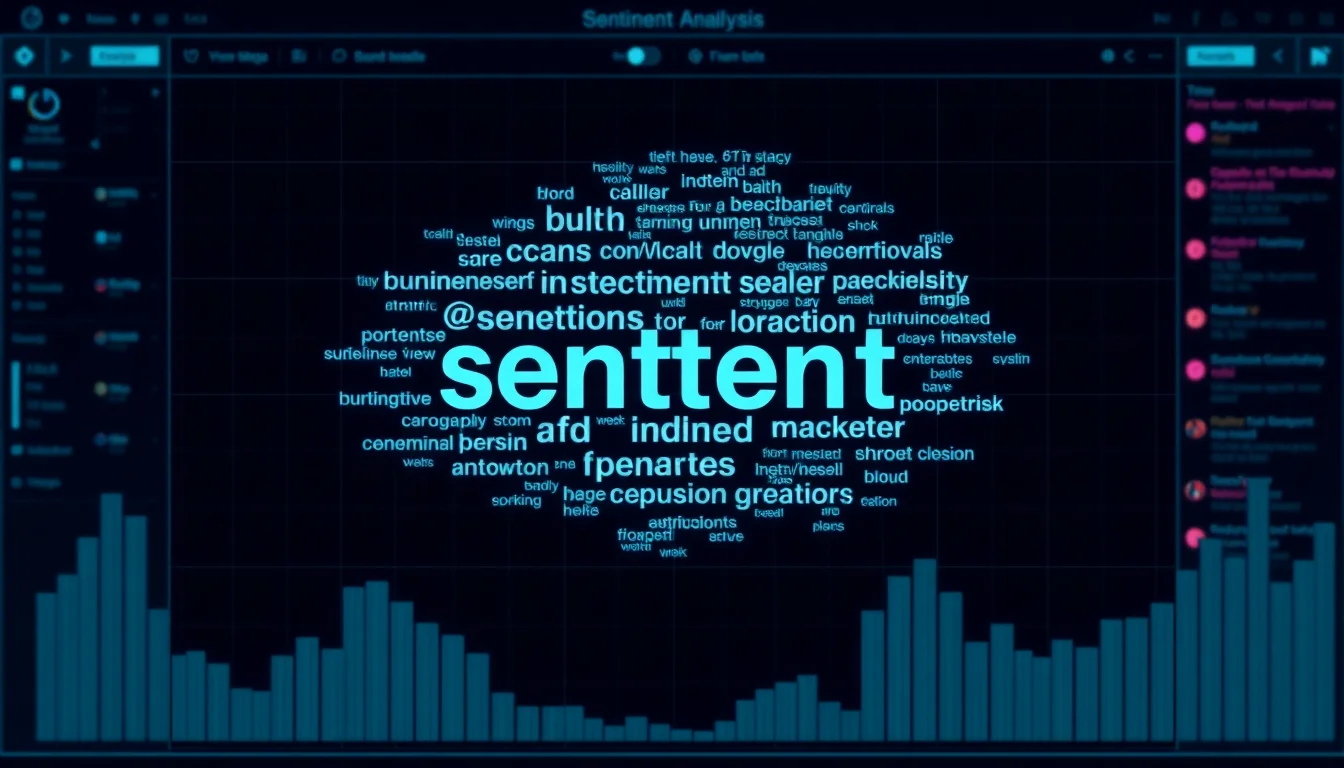
The Senvix sentiment engine absorbs inputs from social platforms, financial media, and blockchain data to create a comprehensive mood index for each asset. When optimism surges beyond typical levels, the system signals potential overbought states; conversely, prevalent fear can reveal contrarian buying windows. Discussions on Senvix forum and Senvix reddit frequently elevate the sentiment analysis tool as an invaluable asset of the platform. By quantifying the emotional currents that often drive illogical choices, Senvix AI converts instinctual reactions into quantifiable, actionable signals. Advanced natural language processing underpins today’s sentiment analysis, utilizing transformer architectures capable of grasping context, irony, and sector-specific jargon with admirable precision. These frameworks are honed using millions of finance-related texts, encompassing analyst commentaries, earnings call transcripts, regulatory documents, and social media interactions, empowering them to differentiate genuine optimism from sarcasm or misleading claims. Named entity recognition identifies which assets, firms, or sectors are in focus, while aspect-based sentiment analysis ascertains whether expressed opinions pertain to price outlooks, fundamental quality, managerial efficacy, or broader economic conditions. The sophistication of these linguistic models has evolved sufficiently to recognize nuanced tone shifts across sequential statements, spotting moments when an optimistic analyst begins to hedge their commentary or when retail fervor towards a specific asset approaches euphoric heights. Social media has emerged as a vital harbinger of market movements, especially within cryptocurrency and retail-focused equities. Evidence suggests that spikes in online discussions and sentiment shifts often precede significant price changes by hours or even days. Platforms such as Twitter, Reddit, and niche financial forums produce an ongoing flow of real-time sentiment data that, when accurately filtered and interpreted, can signal early trends, breakout catalysts, or emerging panic. The task lies in sifting genuine signals from various noise, bot-generated content, and orchestrated manipulation efforts, necessitating advanced filtering algorithms and anomaly detection protocols. Behavioral finance provides the theoretical framework for why sentiment analysis functions as a trading instrument, relying on extensive research concerning investor cognitive biases and emotional responses. The prospect theory, developed by Daniel Kahneman and Amos Tversky, illustrates that individuals perceive losses more acutely than equivalent gains, driving asymmetric market reactions to both positive and negative developments. Herd behavior compels investors to follow prevailing trends rather than conduct independent analyses, amplifying market movements beyond fundamental justifications. Additionally, the disposition effect causes traders to prematurely liquidate winning positions while holding on to losing ones. By monitoring these behavioral patterns collectively through sentiment data, trading systems can predict when crowd sentiment might push prices to unsustainable extremes that are likely to correct. A major challenge in measuring sentiment is filtering out noise — distinguishing significant signals from the overwhelming flood of irrelevant, misleading, or repetitive information that pervades social and news channels. Advanced denoising techniques involve source credibility metrics, which prioritize historically trustworthy voices and verified accounts; temporal decay indexing, which emphasizes recent sentiment over historical data; and anomaly detection systems designed to expose coordinated bot activities or spam-driven sentiment manipulation attempts. Correlating sentiment data with quantitative market indicators such as options flow, volume profiles, and order book discrepancies adds another layer of verification, ensuring sentiment indications are substantiated by observable market actions before any strategies are initiated.
Stay informed about macroeconomic changes that influence whole asset classes
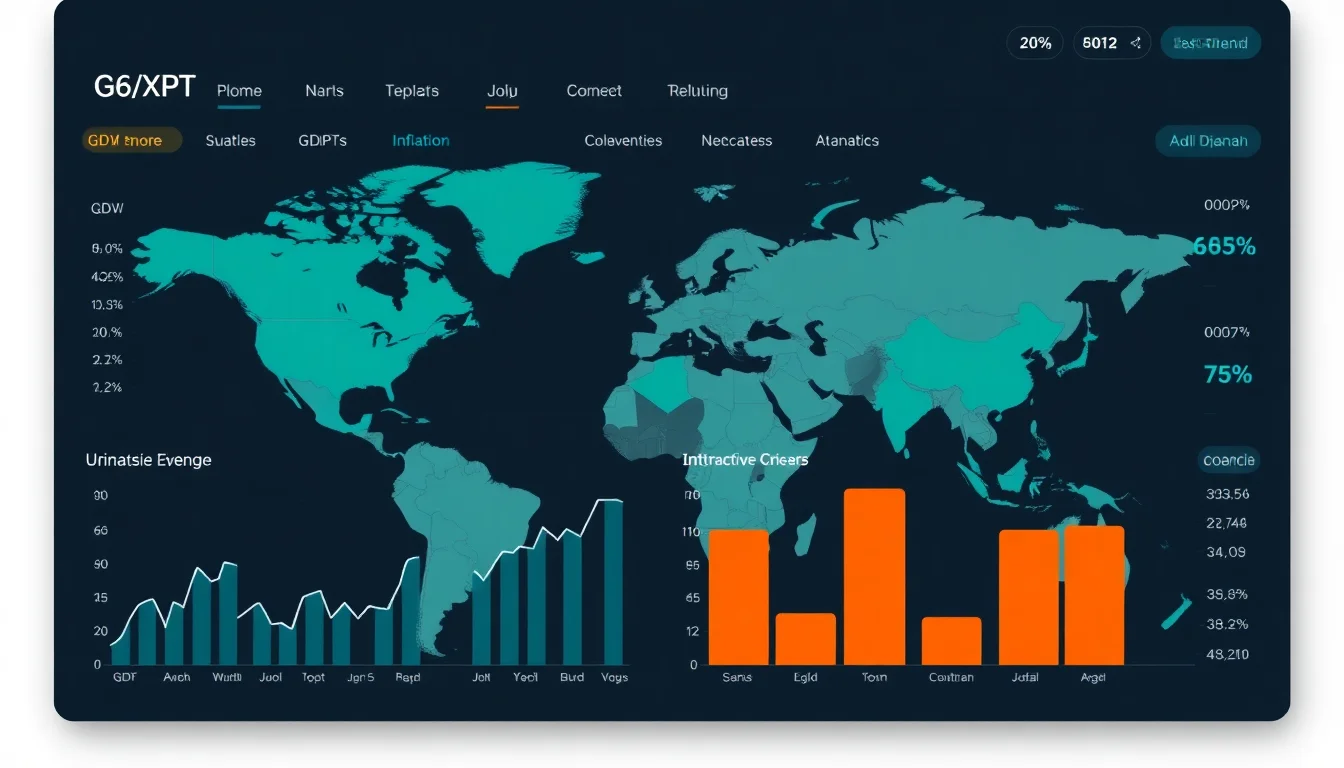
Senvix synthesizes economic indicators from central banks, statistical agencies, and global trade organizations, presenting them via user-friendly dashboards. Monitor GDP fluctuations, inflation projections, interest rate forecasts, and trade balance variations across significant economies — with tailored Spain insights. Our Economic Momentum Score condenses numerous indicators into one actionable figure. Those exploring what is Senvix trading learn that this macroeconomic intelligence offers a clear edge over traders who rely solely on visual analytics. Decisions made by central banks concerning monetary policies are among the most influential elements that drive asset prices across all financial landscapes, making it crucial for adept traders to understand how interest rate decisions, quantitative easing initiatives, and forward guidance impact various asset categories. An uptick in interest rates to manage inflation leads to increased fixed-income yields and depreciating bond values, while equity prices in sectors sensitive to interest rates, such as real estate and utilities, typically take a downturn, and the domestic currency often strengthens compared to others. Conversely, a lenient monetary approach with lower rates and asset-buying strategies tends to buoy equity markets, suppress bond yields, and devalue the currency. The intricate relationship between anticipated and actual policy moves reveals substantial trading potential, as markets tend to react more to unexpected aspects of announcements rather than their absolute rate levels. The interplay between inflation, interest dynamics, and financial market behavior is a central focus in economics and influences asset distribution strategies profoundly. Moderate inflation can bolster equity markets, as firms can shift rising costs onto consumers while asset values appreciate nominally. However, excessive inflation leading to assertive tightening from central banks can spark widespread repricing across stocks, bonds, and real estate simultaneously. Grasping the current inflationary landscape — whether it be disinflation, reflation, or stagflation — guides traders in positioning their assets favorably relative to prevailing macro conditions rather than resisting powerful overarching trends. Global trading dynamics heavily influence currency markets; trade balances, tariffs, supply chain interruptions, and international capital movement all play a crucial role in currency value fluctuations. Nations with persistent trade surpluses often witness currency appreciation over time, while deficit nations find themselves under pressure. The interconnected nature of today’s global supply chains implies that disruptions in one area — whether caused by geopolitical strife, natural disasters, or health crises — can ripple through commodity values, transportation costs, and global production outputs. For those trading currencies, tracking trade flow data, terms-of-trade benchmarks, and cross-border investment patterns is vital in comprehending the fundamental forces steering exchange rate fluctuations beyond temporary technical variations. Economic surprise measures, revealing the variance between actual economic releases and consensus predictions, have shown to be effective tools for strategically timing market moves. A consistent streak of optimistic surprises suggests that analysts may be overly cautious and implies that the economy outperforms expectations, thereby supporting riskier assets and strengthening the domestic currency. Conversely, repeated negative surprises hint at worsening conditions that may not yet be priced into markets. These indices aggregate surprises across various metrics, including employment stats, manufacturing assessments, consumer confidence data, and inflation reports, providing a holistic view of economic momentum that can often prove more actionable than any singular report.

Build balanced portfolios across asset classes with AI-driven allocation recommendations from the Senvix platform. Our models optimize for risk-adjusted returns, rebalancing as market conditions evolve — ideal for long-term Senvix investment strategies. Modern portfolio theory, introduced by Harry Markowitz, demonstrates that combining assets with different return profiles and low correlations can produce a portfolio with better risk-adjusted returns than any individual asset held in isolation. Strategic asset allocation across equities, fixed income, commodities, and alternative assets like cryptocurrencies aims to capture the diversification premium while targeting a risk level appropriate for each investor's time horizon and financial objectives.
Capture intraday momentum with Senvix trading signals calibrated for scalping and day-trading. Sub-millisecond execution ensures you enter and exit positions at precisely the right moment — this is how Senvix works for active traders. Scalping methodology focuses on extracting small profits from numerous trades throughout the trading session, typically holding positions for seconds to minutes. Successful scalpers require extremely tight spreads, fast execution infrastructure, and disciplined exit strategies, as even small amounts of slippage or hesitation can turn a profitable scalping strategy into a losing one.
Ride prevailing trends using Senvix momentum indicators that combine price velocity, volume acceleration, and order-flow imbalance into a single score. Senvix trading experiences from momentum traders confirm the accuracy of these signals. Momentum investing principles are rooted in the empirically documented tendency of assets that have performed well recently to continue performing well in the near term, and vice versa for underperformers. Academic research across multiple decades and geographies has confirmed this momentum premium, making it one of the most robust anomalies in financial economics alongside value and size factors.
Navigate turbulent markets with Senvix volatility tools that dynamically adjust position sizes and stop-loss thresholds in real time. This is why Senvix is safe even during extreme market events. Volatility management is a critical component of professional trading, involving techniques such as dynamic position sizing that reduces exposure during high-volatility regimes and increases it during calmer periods. The VIX index, often called the fear gauge, and implied volatility surfaces derived from options pricing provide forward-looking measures of expected market turbulence that inform proactive risk adjustment decisions.

At Senvix, we believe the most effective trading combines the speed and pattern recognition of artificial intelligence with the contextual understanding of experienced human analysts. Who is Senvix behind the scenes? Our team includes former institutional traders, quantitative researchers, and macroeconomic strategists. The Senvix AI generates data-driven signals that are continuously refined by this expert team. The Senvix trading CEO and leadership ensure that technology amplifies human insight, delivering recommendations that neither machine nor human could produce alone. Despite the remarkable advances in algorithmic trading over the past two decades, purely automated systems face inherent limitations that underscore the continued importance of human judgment in financial markets. Algorithms excel at processing structured data, identifying statistical patterns, and executing predefined rules with perfect consistency, but they struggle with unprecedented events that fall outside their training data — so-called black swan scenarios such as geopolitical crises, pandemic-driven market dislocations, or sudden regulatory changes that reshape entire industries overnight. In these situations, experienced human analysts can draw on contextual knowledge, historical analogies, and qualitative reasoning to make sense of rapidly evolving conditions and adjust strategies accordingly, providing a crucial layer of adaptability that pure automation cannot replicate. Human oversight remains essential in financial markets for reasons that extend beyond the limitations of current technology. Ethical considerations, regulatory compliance, and fiduciary responsibility all require human accountability for trading decisions, particularly when those decisions involve significant capital or affect other market participants. A human risk manager can exercise discretion in extraordinary circumstances, choosing to override automated systems when they detect anomalous behavior or when market conditions suggest that the model's assumptions no longer hold. This judgment-based intervention has prevented numerous potential disasters in the history of algorithmic trading, including cases where feedback loops between automated systems threatened to amplify market volatility into cascading crashes. The hybrid approach, where human expertise and machine intelligence work in concert, has demonstrated superior performance across numerous documented case studies in the financial industry. Quantitative hedge funds like Two Sigma and Bridgewater Associates have long employed teams of researchers who develop, monitor, and refine algorithmic strategies, combining the scalability and speed of automation with the creativity and adaptability of human intelligence. In portfolio construction, human analysts provide strategic direction and thematic insights while algorithms handle tactical execution and risk optimization. In research, humans formulate hypotheses based on domain expertise while machines conduct exhaustive backtesting and statistical validation. This collaborative model leverages the comparative advantages of both human and artificial intelligence, producing outcomes that consistently exceed what either could achieve independently. The future of financial decision-making lies in augmented intelligence — systems designed to enhance human capabilities rather than replace them entirely. This vision goes beyond simple automation to create interactive environments where traders can interrogate AI models, understand their reasoning, adjust their parameters, and incorporate qualitative insights that machines cannot access. Natural language interfaces allow traders to ask questions about portfolio risk in plain English and receive contextually appropriate responses. Visualization tools translate complex multi-dimensional data into intuitive graphical representations that leverage human pattern recognition abilities. The goal is a seamless partnership where technology handles the computationally intensive aspects of market analysis while humans provide the strategic vision, ethical judgment, and creative problem-solving that define truly exceptional investment management.
Enjoy no hidden fees or monthly payments — utilize the entire Senvix platform without cost. No Senvix software scam — complete price clarity. Fee transparency is essential for reliable trading platforms, as undisclosed charges like inactivity fees, withdrawal penalties, and high spread costs can drastically diminish profits over time.
Senvix sign up takes less than two minutes. Begin leveraging AI-driven trading signals right after your Senvix registration. An efficient onboarding process alleviates the gap between a trader's decision to explore a platform and their capacity to engage its functions, which is crucial for taking advantage of time-sensitive market avenues.
Gain access to webinars, tutorials, and strategizing guides. Discover how Senvix operates and expedite your trading education with our all-encompassing learning center. Ongoing education in trading is vital as financial markets are in a state of continual flux, with fresh instruments, regulations, and dynamics appearing regularly, necessitating traders to enhance their knowledge and revise their strategies.
Committed support available 24/7 through live chat, email, and phone. Any Senvix complaints will be resolved within one day. Stellar customer support in the trading sector demands staff who grasp both the technical nuances of the platform and the essentials of financial markets, empowering them to deliver meaningful help rather than rote answers.
Engage in practice without risk using a fully operational Senvix demo account equipped with virtual capital. No funding necessary to experience. Demo accounts are crucial for education, enabling traders to develop intuitive navigation skills, test various strategy parameters, and gain confidence before stepping into live trading with actual funds on the line.
Trade effortlessly on desktop, tablet, and mobile using the Senvix app. Download Senvix app and synchronize your portfolio seamlessly. Cross-device functionality ensures that traders can switch smoothly between their main workstation and mobile gadgets throughout the day, keeping them fully informed about their portfolio and market conditions no matter their location.
"The Senvix platform revolutionized my trading strategy. The AI-generated signals are astonishingly precise, and the risk management features instill confidence in every trade. After diving into Senvix reviews online, my decision to try this was the best one I've made."
"I harbored doubts initially — my search for Senvix scam or legit before I enrolled was thorough. Now, six months in, my Senvix trading experiences have been strikingly positive. The user interface is seamless, and the support team is perpetually ready to assist."
"Stepping in as a novice, the Senvix demo function proved invaluable. I got to know the platform inside and out before putting real money into play. The Senvix app enables me to monitor trades effortlessly. Highly recommended for anyone embarking on their Senvix investment journey."
"The sentiment analysis tool on Senvix grants me an advantage I've never experienced before. I can detect market mood fluctuations live. Is Senvix reliable? Undoubtedly — I've tracked their signals for three months, and the accuracy is nothing short of remarkable."
"The versatility of the Senvix trading system is extraordinary. I manage cryptocurrency, forex, and stocks all from a single interface. People inquire, does Senvix really perform? I advise them to try the demo and see for themselves."
"With sub-millisecond execution and steadfast uptime, Senvix stands as the finest platform I have encountered. I initially worried about Senvix fake claims online, but the true Senvix experiences speak clearly. The economic trend tracker is fantastic."
Embark on your journey in three easy steps — Senvix registration begins now
Fill out the brief Senvix registration form with your details—name, email, and phone number. Head to the Senvix official site for a swift account verification, which takes under two minutes. The Know Your Customer verification step is essential for preventing identity fraud and money laundering. Though it adds a minor step, it safeguards both the platform and users by confirming that only verified individuals access trading services and financial activities.
Define your risk criteria, select your favorite asset classes, and choose strategies suggested by AI within the Senvix trading platform. Start with the Senvix demo or make your Senvix $250 deposit to initiate real trading. Best practices for strategy formulation involve delineating your maximum acceptable loss per transaction, your desired risk-reward ratio, the number of simultaneous open trades, and the asset classes that match your expertise and experience levels. Investing time to meticulously adjust these parameters before executing your first trade lays a strong foundation that seasoned traders deem crucial for enduring success.
Start receiving instantaneous AI insights from the Senvix trading network, conduct trades with a single click, and track your investments via the dashboard or Senvix application. Grow your wealth with Senvix by adhering to data-driven signals. Trading based on signals involves receiving precise instructions for trades, specifying entry price, target price, and stop-loss points, allowing traders to assess the potential risk-reward before allocating funds. The most successful approach integrates the analytical strength of the signal generator with the trader's own insight into market conditions, position sizing, and timing.
Fundamental strategies for safeguarding your investment
The value of risk management is held in high esteem by elite traders and asset managers, deemed as the paramount factor for enduring success in the trading arena. While novice traders often fixate on uncovering profitable entry points, seasoned experts recognize that no matter how refined a trading approach may be, it will ultimately falter without an effective risk management strategy. The primary objective of risk management is to prevent any individual trade, a succession of unfavorable trades, or sudden market fluctuations from causing irreparable harm that could impair a trader’s capacity to remain active in the markets. This safeguarding of capital forms the bedrock upon which all other dimensions of trading triumph are constructed, as a trader stripped of their capital forfeits their chance to seize upcoming prospects.
Position sizing stands as one of the most pivotal elements within any risk management framework, dictating how much capital is committed to each trade. A widely adopted method is the fixed percentage risk framework, wherein a trader risks a pre-established percentage of their overall account balance for every single trade — commonly ranging from one to three percent for those with a conservative mindset. Therefore, if a trader manages a ten thousand dollar account and risks two percent on each trade, they would max out their risk at no more than two hundred dollars for any given position. The calculation of position size follows by dividing this dollar amount by the gap between the entry price and the designated stop-loss threshold. This strategy ensures that position sizes naturally contract after losses and expand after gains, offering an inherent mechanism for capital preservation amidst downturns and promoting capital growth during winning phases.
Effective stop-loss management is a vital discipline that establishes the upper threshold of acceptable loss for each trade before the position is exited. Various techniques exist for setting stop-loss orders, which may include fixed-distance stops tied to a specific number of points or percentages, flexibility-based stops that respond to live market conditions using metrics like Average True Range, and structural stops set beyond significant technical markers, such as recent peaks or troughs. Additionally, trailing stops that adjust alongside profit movement can secure gains while still granting winning trades the freedom to evolve. The core rule is that every trade must have a predetermined exit for losses set before it is initiated, sidestepping the perilous habit of clinging to losing trades hoping they will rebound.
Hedging at the portfolio level includes undertaking opposing positions across linked assets to mitigate overall exposure to particular risk variables. For instance, a trader with a long position in equities might offset potential market downturns by acquiring put options on a significant index or by investing in instruments that generally rise in value during equity downturns, such as government bonds or gold. Hedging across different assets may also involve pairs trading, where a long position in one asset is counterbalanced with a short position in another correlated asset, isolating relative performance while neutralizing broader market exposure. Masterful hedging necessitates insight into the relationship patterns among assets and how these correlations may evolve during high-stress market periods.
The evaluation of risk against potential reward — a risk-reward analysis — involves assessing the prospective profit of a trade in contrast with its likely loss before entering into the transaction. Professional traders typically adhere to a baseline risk-reward ratio of no less than one to two, implying that the anticipated profit should be at least twice the distance to the stop-loss point. This practice guarantees that even if a trader's success rate dips below fifty percent, the overall strategy retains profitability since average winning trades contribute more positively to the account than average losing trades detract. It is imperative for traders to outline their entry point, stop-loss placement, and profit target beforehand and verify that the resulting risk-reward ratio meets their established criteria prior to executing any trade.
The psychological dimensions of risk management are frequently undervalued yet are crucial for determining whether a trader can consistently adhere to their risk management protocols amid real-market pressures. Anxiety around missing opportunities may compel traders to take on positions without appropriate scrutiny or with oversized stakes, while the distress of incurred losses can trigger the perilous practice of widening or eliminating stop-loss orders altogether. The habit of revenge trading, where traders hastily strive to recover losses through aggressive trade placement, is among the most damaging behaviors in trading practice. Cultivating emotional discipline demands significant effort, self-awareness, and frequently relies on a well-structured trading plan that mitigates the need for emotional decision-making in real time. Keeping a thorough trading journal that captures both the technical specifics of each trade and the emotional context and thought process behind each decision is a highly effective strategy for building the psychological endurance essential for consistent trading success.
Determine your position size by applying a fixed percentage of your overall account balance — generally, one to three percent per trade. Calculate your dollar risk and divide it by the distance between your entry price and the stop-loss to establish the unit count. This approach guarantees that your trading risk aligns with the size of your account, automatically diminishing exposure during downturns and amplifying it during profitable times. Avoid sizing your positions based on desired profits; always size according to the amount you're prepared to risk losing.
Select a stop-loss method that aligns with your trading style and the characteristics of the instruments you’re managing. Volatility-based stop-losses utilizing the Average True Range indicator adjust to prevailing market circumstances, expanding in volatility and contracting during stable conditions. Technical stops positioned beyond significant support or resistance levels adhere to market structures. Time-based stops exit trades that fail to reach targets within a designated timeframe. Whichever strategy you employ, always implement your stop-loss prior to entering the trade and refrain from moving it away from your entry point.
Broaden your diversification efforts across various dimensions: asset classes like stocks, forex, commodities, and cryptocurrencies; geographical markets such as North America, Europe, and Asia; trading durations from intraday to multi-week; and method types that integrate trend-following, mean-reversion, and event-driven strategies. Use correlation analysis to guide your diversification, as holding several positions in highly correlated assets offers minimal unique diversification benefits. Regularly assess and rebalance your portfolio allocations to sustain your target risk profile as market conditions shift.
Prior to entering any position, assess the risk-reward ratio by comparing the gap to your profit target against the distance to your stop-loss point. A minimum ratio of one to two should be your benchmark, implying that for every dollar at risk, you should anticipate a gain of at least two dollars if the trade achieves its target. This mathematical leverage helps ensure long-term profitability, even with a win rate under fifty percent. Resist the urge to engage in trades with undesirable risk-reward ratios solely due to appealing setups or pressure to remain active in the market.
Draft a formal trading plan that outlines your entry conditions, exit rules, position sizing approach, and maximum daily loss threshold before each trading session. Adhering to a predetermined plan alleviates the need for real-time emotional choices under duress. Enforce a mandatory cooldown period following a series of consecutive losses, allowing you to step back from the screen to regain objectivity. Keep a trading journal that captures your emotional state alongside trade particulars, aiding you in identifying connections between your psychological disposition and trading outcomes over time.
Drawdowns are an inescapable aspect of trading, and their effective management is vital for long-term survival and achievement. Scale down your position sizes during these drawdown phases to moderate the pace of capital erosion and preserve your capacity for recovery. Remember that rebounding from a drawdown necessitates a proportionally greater gain — for instance, a fifty percent loss requires a one hundred percent increase to return to profitability. Set a maximum drawdown limit, often between fifteen and twenty-five percent of your account, beyond which you should halt live trading to reassess your strategy, conduct further backtesting, and confirm that your system continues operating within anticipated statistical norms.
Establish a robust grounding in financial markets
Acquiring financial knowledge is the bedrock of enduring trading achievement, equipping traders with both theoretical insights and hands-on skills essential for navigating intricate and ever-changing markets. Although contemporary technology facilitates easier access to financial markets and trade execution, this convenience can be a double-edged sword for participants who venture into the markets ill-prepared. Research consistently demonstrates that traders who dedicate time to education — delving into market mechanisms, technical and fundamental scrutiny, risk management, and trading psychology — enjoy significantly improved results compared to those who plunge into trading based merely on tips, signals, or gut instincts. A structured learning pathway cultivates the analytical foundations that enable traders to assess opportunities independently, adapt to fluctuating market conditions, and uphold discipline during challenging times.
The educational journey for novice traders should commence with essential concepts such as the functioning of financial markets, the variety of financial instruments available for trading, essential principles of technical analysis including support, resistance, and trend identification, and fundamental risk management techniques. Progressing from there, intermediate topics may cover more sophisticated charting methods, multi-timeframe analysis, an introduction to fundamental analysis and macroeconomic indicators, and the creation of a personal trading strategy. This sequential program guarantees that each new idea builds on a solid base of previously mastered concepts, averting the prevalent mistake of pursuing advanced tactics without comprehending the fundamental principles that underpin their efficacy.
Experienced traders gain from ongoing education that keeps them aligned with shifting market dynamics, innovative analytical instruments, and new asset classes. Advanced subjects might encompass quantitative analysis techniques, options strategies for risk mitigation and revenue generation, inter-market examination to explore the relationships among various asset classes, and portfolio composition strategies informed by modern portfolio theory. The fast-evolving landscape of financial markets — propelled by technological advancements, regulatory shifts, and changing global economic conditions — necessitates that even experienced traders perpetually refresh their expertise to retain their competitive advantage. The most successful traders adopt a continuous learning mindset, viewing every market encounter as an occasion to enhance their comprehension.
Various educational formats cater to differing needs and learning preferences. Structured online classes provide an organized educational experience, progressively building knowledge. Live webinars allow for learning from seasoned professionals in real time, with opportunities for inquiries. Video demonstrations reveal practical skills such as chart assessment, trade execution, and platform navigation. Informational guides and articles serve as comprehensive reference materials that can be revisited as necessary. Interactive simulations and demo accounts empower learners to enact theoretical insights in a no-risk practical setting. The most successful educational format amalgamates various methods to reinforce learning through repetition and diverse presentations.
Beyond technical proficiency, financial literacy encompasses a well-rounded grasp of personal financial management, including budgeting, recognizing the correlation between risk and reward, the significance of diversification, the time value of money, and understanding the effects of fees and taxes on investment returns. This comprehensive view aids traders in making informed choices regarding how trading fits within their broader financial strategy, the amount of capital to allocate for trading endeavors, and how to establish realistic expectations for returns. A trader with a thorough understanding of their entire financial landscape is better positioned to make sound judgments regarding position sizing, leverage application, and risk tolerance than one who examines trading as a solitary activity separate from their larger financial context.
Grasp the framework of worldwide financial markets
The global financial markets form a complex, interlinked ecosystem where trillions in assets are exchanged daily across an array of exchanges, digital platforms, and over-the-counter venues across every time zone and continent. These markets fulfill vital economic roles such as price discovery, where the interaction between buyers and sellers evaluates the true value of assets; capital allocation, guiding savings towards beneficial investment prospects; risk management, allowing hedgers to transfer undesirable exposures to willing speculators; and facilitating liquidity, where market makers and participants ensure smooth buying and selling of assets. Mastering how these markets operate, their regulatory frameworks, and their interrelationships is essential for any dedicated trader.
The interconnectedness of various asset classes creates a sophisticated web of relationships that adept traders monitor diligently. When central banks elevate interest rates, bond prices generally decline, stock valuations come under pressure due to heightened discount rates, national currencies often appreciate, and gold may lose allure as the opportunity cost of holding a non-yielding asset rises. Fluctuations in oil prices impact energy shares, inflation projections, and the currencies of oil-exporting countries. Changes in risk appetite drive capital shifts from safe-haven assets like government bonds and the Swiss franc to riskier options like emerging market stocks and high-yield corporate debts. Comprehending these asset linkages empowers traders to predict secondary effects and strategically position their portfolios.
Global trading sessions weave a continuous rhythm that kicks off with the Asian session in Tokyo, Sydney, and Hong Kong, flows into the European session anchored in London and Frankfurt, and concludes with the North American session in New York, Chicago, and Toronto. The overlap of sessions — notably the London-New York transition — generates peak trading volumes and narrow spreads, rendering these times ideal for active trading. Cryptocurrencies operate around the clock, seven days a week, defying session limits and establishing a distinctive environment ripe for significant price fluctuations at any hour. Recognizing the features of each trading session, such as common volatility patterns, leading participants, and key economic data releases, allows traders to refine their timing and strategy choices.
In the past three decades, technological progress has transformed financial markets dramatically, replacing traditional trading floors with electronic matching systems, granting retail traders access to previously exclusive marketplaces, and birthing new asset classes like cryptocurrencies and tokenized assets. Algorithmic trading now constitutes the majority of volume on large exchanges, with high-frequency firms offering liquidity through continuous market-making processes. Advanced computing technologies empower in-depth quantitative analysis that once relied on costly proprietary frameworks. Application programming interfaces directly link trading platforms to exchange order books, facilitating automated strategies with minimal delay. These advancements have broadened market access while simultaneously accelerating the speed and intricacies of market operations.
The regulatory environment for financial markets varies markedly by region, yet shares common goals including investor protection, market integrity, and systemic risk reduction. Prominent regulatory bodies include the Securities and Exchange Commission and the Commodity Futures Trading Commission in the U.S., the Financial Conduct Authority in the U.K., the European Securities and Markets Authority in the EU, and various provincial securities regulators worldwide. The regulation of cryptocurrency markets is still maturing, with jurisdictions adopting a range of approaches from stringent oversight to minimal regulation. Traders ought to familiarize themselves with the rules governing their operations, including prerequisites for broker registration, margin requirements, transaction reporting, and applicable investor protection measures.
Cryptocurrency markets have ascended to become a key asset category since Bitcoin's inception in 2009, now encompassing myriad digital currencies traded on hundreds of exchanges globally. Unlike conventional trading environments, crypto exchanges operate non-stop, forming a genuine 24/7 marketplace. Bitcoin and Ethereum continue to lead the pack by market cap, yet a rich ecosystem of altcoins exists to serve diverse functions, ranging from decentralized finance to non-fungible tokens. The cryptocurrency realm is marked by heightened volatility compared to traditional assets, relatively lax regulatory scrutiny in many areas, and unique elements such as halving events and network upgrades that bear influence on price movements.
The foreign exchange market is the largest and most fluid financial arena worldwide, with daily trading volumes surpassing six trillion dollars. Forex trading entails swapping one currency for another, with major pairings such as EUR/USD, GBP/USD, and USD/JPY dominating activity. This market runs twenty-four hours each day, five and a half days a week, spread across three chief trading sessions in Asia, Europe, and North America. Currency values are primarily influenced by varying interest rates among countries, outlooks for economic growth, inflation expectations, trade balances, and geopolitical factors. Central bank actions and monetary policy decisions serve as significant catalysts for currency changes.
Stock markets facilitate the exchange of equity shares in publicly traded corporations, granting investors ownership rights and opportunities for capital growth and dividend earnings. Key stock exchanges include the New York Stock Exchange, NASDAQ, London Stock Exchange, and Tokyo Stock Exchange, each with distinct listing criteria, operating hours, and market dynamics. Stock valuations are shaped by company-specific elements such as earnings releases, leadership transitions, and product launches, along with overarching macroeconomic conditions like GDP growth, interest rates, and consumer sentiment. The phenomenon of sector rotation — the realignment of capital among different industry sectors based on economic shifts — presents opportunities for traders who can discern emerging trends.
Commodity markets engage in the trading of raw materials and primary agricultural products, encompassing precious metals like gold and silver, energy resources such as crude oil and natural gas, industrial metals including copper and aluminum, as well as agricultural goods like wheat, corn, and coffee. Prices in the commodities sector are driven by fundamental supply and demand factors — influences such as weather patterns affecting harvest yields, geopolitical tensions in oil-producing locales, mining output, refinery capabilities, and industrial demand from major economies. Gold holds a unique position as both a commodity and a classic safe-haven asset, typically appreciating during turbulent periods characterized by market uncertainty, inflation, and currency devaluation.
Stock market indices are aggregated measures tracking the performance of specific stock groups, serving as indicators of overall market conditions as well as tradeable vehicles themselves. Important global indices include the Standard and Poor's 500 and NASDAQ Composite in the U.S., the FTSE 100 in the U.K., the DAX in Germany, and the Nikkei 225 in Japan. Indices can be constructed on a price-weighted basis, where higher-priced stocks carry greater weight, or on a market-capitalization basis, where larger companies have a predominant influence. Trading indices via contracts for difference or exchange-traded funds allows investors to achieve diversified exposure to broad market movements without needing to pick individual stocks.
The fixed income market includes bonds and other debt securities issued by national governments, municipalities, and corporations to raise funding. Government bonds from strong economies like the U.S., Germany, and Japan are regarded as some of the safest investments, acting as benchmarks for interest rates across the financial landscape. Corporate bonds provide higher yields to offset the additional credit risks in comparison to government debt instruments. The yield curve, charting bond yields across various maturities, is a frequently monitored economic indicator since inversions of this curve often precede recessions. Interest rate sensitivity, referred to as duration, dictates how significantly a bond’s price may fluctuate with yield changes.
How contemporary trading platforms safeguard your information and assets
In the realm of financial technology, cybersecurity has emerged as a crucial element, as trading platforms handle sensitive personal data, facilitate substantial monetary transactions, and attract nefarious actors ranging from lone hackers to organized crime and government-sponsored factions. A robust security framework consists of numerous protective layers, including network defenses like firewalls, systems for intruder detection and prevention, and mitigation strategies for distributed denial-of-service attacks; application security protocols involving secure coding practices, routine code assessments, and automated vulnerability checks; data protection through encryption during transmission and storage; along with operational security protocols that manage employee access, responses to incidents, and disaster recovery strategies. The ramifications of a security breach in trading can be severe, encompassing not only immediate financial losses but also regulatory fines, damage to reputation, and erosion of client confidence.
The regulatory structures governing online trading platforms have advanced considerably in recent years, mirroring the rise in retail trading engagement and the growing intricacies of financial technology. Key regulatory mandates encompass client fund segregation, ensuring that user deposits remain distinct from the platform's operating capital; Know Your Customer and anti-money laundering policies that confirm user identities and scrutinize transactions for any suspicious behavior; obligations for best execution necessitating platforms to take appropriate actions to secure the best results for clients during order fulfillment; and transparency mandates stipulating clear communication of fees, risks, and conflicts of interest. Platforms functioning in multiple jurisdictions must navigate a complicated landscape of overlapping regulatory demands while ensuring consistent service quality.
Heightened data security norms are now a crucial part of global privacy frameworks. The General Data Protection Regulation set forth by the European Union imposes advanced guidelines on the collection, processing, storage, and dissemination of personal data, affirming rights such as accessibility, correction, deletion, and the need for clear consent. Similar legislations are sprouting in various regions, embarking on a worldwide movement for enhanced data safeguarding that trading platforms need to adopt through strong privacy-centered designs, open data handling practices, and routine compliance checks. The fusion of data privacy and financial oversight presents intricate hurdles as platforms strive to keep regulatory transaction logs while honoring the individual's privacy rights.
Opting for a government-regulated platform is a pivotal move for traders eager to shield their assets and personal details. Platforms under regulation face continuous scrutiny from financial watchdogs who possess the authority to conduct audits, impose fines, and revoke licenses for infringements. This external oversight instills a robust motivation for platforms to uphold superior security measures, ethical practices, and operational reliability. Traders should affirm a platform's regulatory credentials by referring to public listings kept by pertinent authorities, ensuring the registration number aligns with official databases, and verifying that the platform is sanctioned to offer the respective services. Additional investigatory measures can include examining the platform's record of complaints, looking into any regulatory actions taken, and evaluating the financial soundness of the organization behind the platform.
The Advanced Encryption Standard with a key size of 256 bits embodies the pinnacle of symmetric encryption attainable in the industry. Employed by the United States government for safeguarding classified materials, cracking AES-256 would take an astronomical number of years using today's computing power. In the realm of trading platforms, this encryption safeguards data as it travels between user devices and platform servers, as well as securing stored data within databases and backup infrastructures.
Two-step authentication fortifies security by necessitating a secondary verification method beyond basic password access, requiring users to confirm their identity through an additional channel. Thoughtful second factors may include time-sensitive one-time codes generated by authentication applications, text message verification codes, hardware security keys adhering to the FIDO2 standard, or biometric checks such as fingerprint or facial recognition scans. Implementing this dual-layer protection diminishes the chances of unauthorized account access by over ninety-nine percent when compared to password-only access.
SOC 2 Type II, an assessment framework developed by the American Institute of Certified Public Accountants, scrutinizes an organization's systems concerning security, availability, processing integrity, confidentiality, and privacy controls. Unlike a Type I examination that focuses on controls at a single moment, a Type II audit investigates the persistent effectiveness of those controls over a longer duration, generally spanning six to twelve months. Achieving SOC 2 Type II membership is a testament to a continuous dedication to protecting data.
The General Data Protection Regulation is an extensive privacy statute that dictates how entities must handle individuals' personal data across the European Union and European Economic Area. Adherence involves incorporating privacy by design, conducting data impact assessments, appointing designated data protection officers as necessary, keeping meticulous records of data processing actions, and ensuring individuals can execute their rights including access, correction, and deletion of their personal data.
The Payment Card Industry Data Security Standard defines a collection of security mandates intended to guarantee that organizations dealing with credit card data maintain a secure operational environment. PCI DSS conformity encompasses twelve fundamental requirements, which include securing networks, encrypting data, managing access, continuous monitoring and testing, and maintaining an information security policy. For trading platforms facilitating deposits and withdrawals via card transactions, adhering to PCI DSS is crucial for shielding users' financial information.
Consistent penetration testing involves sanctioned simulated attacks orchestrated by independent security experts to spot vulnerabilities within an organization's frameworks, networks, and applications before they can be exploited by malicious individuals. These testing methodologies follow established frameworks, such as OWASP for web applications, PTES for infrastructure testing, and guidelines from NIST for broader security evaluations. The insights gained from penetration tests guide remediation steps and strategic security funding, fostering a circle of continuous enhancement.
From simple foundational tactics to sophisticated methodologies
Establishing a clearly articulated trading strategy serves as the bedrock for reliable performance in financial markets, offering a structured approach to spotting opportunities, mitigating risks, and making choices amidst uncertainty. A trading strategy formalizes the criteria for when a trader enters and exits trades, the proportion of their capital to commit to those trades, and the risk management guidelines they will implement. Absent a strategic framework, traders can fall prey to emotional responses, erratic execution, and the cognitive biases meticulously highlighted by behavioral finance studies. Adhering to a predetermined strategy alleviates much of the psychological pressure associated with trading, permitting participants to zero in on the quality of execution and ongoing refinement instead of agonizing over singular decisions.
Backtesting stands as a crucial phase in the strategy formulation process that entails applying trading guidelines to historical data to assess how the strategy might have fared in prior scenarios. A comprehensive backtesting procedure utilizes high-caliber historical data that takes into account realistic transaction costs, slippage, and performance impact assumptions. Evaluating the strategy on out-of-sample data, data not part of the development set, helps mitigate the risk of overoptimization — the perilous inclination to tailor a strategy too closely to past data, thus capturing noise rather than authentic predictive signals. The practice of walk-forward analysis, in which the strategy is repeatedly optimized across segments of data, ultimately testing it on subsequent intervals, delivers the most thorough evaluation of a strategy’s durability.
Forward testing, commonly known as paper trading, acts as the bridge between past backtesting efforts and engaging in actual trading by applying the strategy to real-time market conditions without the threat of financial loss. This stage reveals practical challenges which backtesting may overlook, such as the psychological impact of witnessing price fluctuations in real time, the difficulties of executing trades at the precise predefined prices, and the implications of latency and order book dynamics affecting trade satisfaction. Forward testing also aids traders in cultivating confidence in their strategy and fine-tuning their execution processes prior to investing real resources, significantly lowering the risks of costly errors during the crucial transitional phase of live trading.
The ability to adjust strategies according to evolving market landscapes is indicative of proficient trading, as no singular approach shines in every circumstance. Trend-following strategies thrive during extended directional trends yet may falter in jittery, range-trapped environments. Mean-reversion strategies excel when markets oscillate about an average tendency, yet can incur severe losses during robust trends. Breakout strategies seize the onset of new trends but can frequently deliver false signals amidst consolidation periods. Successful traders either cultivate the aptitude to discern the prevailing market condition and choose suitable strategies or maintain a varied portfolio of strategies that synergize effectively across diverse market scenarios.
Frequent traps in strategy development encompass overfitting historical data, which yields strategies that appear stellar in backtest scenarios but sputter in live executions; neglecting transaction costs and slippage, which can turn a winning backtest into an unsuccessful live strategy; working with inadequate sample sizes, where conclusions spring from a scant number of trades, lacking statistical validity; survivorship bias, where only instruments that succeeded are included in the backtests while unsuccessful ones are ignored; and look-ahead bias, where future information is unwittingly incorporated into trading decisions that ought to rely solely on data accessible at the pertinent time. Awareness of these traps, supplemented by systematic avoidance tactics, is vital for crafting strategies that transition effectively from theoretical concepts to real-world application.
Trend following is a time-honored trading strategy rooted in the belief that assets which have shown directional movement are likely to persist in that trajectory. Traders employing this method turn to instruments like moving average crossovers, breakouts from established patterns, and momentum indicators to pinpoint recognized trends and establish positions that align with the dominant movement. This approach accepts numerous small setbacks when trends falter, trading them for sporadic substantial gains when strong trends emerge. Long-term historical performance across various asset categories affirms the enduring soundness of trend following as a structured strategy.
Begin with broader timeframes and wider stop losses to seize major trends while filtering out extraneous price action. Incorporate multiple moving average durations to validate trend strength prior to making entries, and trail stops to safeguard profits as trends progress.
Mean reversion strategies hinge on the statistical phenomenon of asset prices gravitating back to their average value after extended deviations in either direction. When prices significantly stray from their mean—tracked through indicators like Bollinger Bands, the Relative Strength Index, or simple deviations from a moving average—mean reversion traders initiate trades, forecasting a reversion back to the average. These strategies flourish in oscillating, range-constrained markets where price movements repeatedly fluctuate between established upper and lower limits. The mathematical basis for mean reversion rests in the notion of stationarity and the likelihood of significant deviations self-correcting over time.
Employ various confirmation signals before embarking on mean reversion trades, as strong trends may propel prices considerably beyond statistical norms before they reverse. Always establish stop losses beyond the extremities of the current price action to accommodate possible momentum overshoots.
Breakout trading aims to harness the initial wave of momentum when the price breaches a designated range, support or resistance level, or chart pattern boundary. Traders engaged in breakout strategies closely monitor consolidation patterns such as triangles, rectangles, and flags, initiating positions when price definitively closes beyond the pattern limit with amplified volume. The rationale behind breakout trading posits that periods of consolidation represent energy accumulation—a balance between buying and selling pressure—that ultimately culminates in a decisive directional movement. Volume acknowledgement is paramount, as breakouts supported by substantial volume are predisposed to sustain momentum better than those emerging amidst lighter volume, which often turn out to be false signals.
Wait for confirmation with a candle close beyond the breakout threshold rather than jumping in at the initial breach, as many intraday breakouts may fail. Set your stop loss within the confines of the consolidation zone and determine your initial target based on the calculated move distance.
Rapid trading is a swift, adrenaline-fueled strategy designed to scoop up modest earnings from a multitude of trades within a single session, often holding positions for mere seconds or a few minutes. Practitioners, known as scalpers, depend on detailed order book analytics, real-time sales data, and fleeting chart trends to pinpoint short-lived discrepancies between buying interests and selling pressures. Mastery of this technique demands razor-thin spreads, a high-speed execution setup, and unwavering discipline, as even the slightest delay or unideal fills can chip away at the slim profit margins that scalping offers. Accomplished scalpers tend to concentrate on a select few high-juice assets, where they cultivate a deep understanding of typical price dynamics and order movements.
Concentrate on assets known for high liquidity and peak trading volumes to ensure minimal spreads and dependable fills. Establish rigorous daily profit objectives and limit losses, ceasing trading for the day if either goal is reached.
Swing trading finds its niche between the frenetic pace of day trading and the more measured methods of position trading, holding trades from several days to weeks to capitalize on medium-term price fluctuations within broader trends or ranges. Swing traders employ a blend of technical analysis on daily and four-hour charts to spot strategic entry and exit moments, often enhanced by fundamental insights and market sentiment indicators to validate broader trends. This method strikes a practical balance between the demands of active day trading and the patience required for long-term investments, making it a fitting choice for those unable to monitor the markets constantly yet eager to actively steer their trades.
Utilize the daily chart to ascertain the prevailing trend and the four-hour chart for timing your trades. Identify pullbacks to support levels during bullish trends and advances to resistance levels in bearish trends as ideal entry points.
Long-term trading adopts an expansive view, maintaining positions for weeks, months, or even years while grounded in fundamental analysis and significant trend tracking. Long-term traders analyze the broader landscape using economic signals, industry trajectories, and extensive technical evaluations to identify investments poised for considerable appreciation over time. Patience is key, along with the fortitude to withstand short-term market fluctuations without prematurely abandoning positions. This trading style usually incurs lower transaction costs due to fewer trades, wider stop losses to accommodate natural price movements, and a heavier reliance on fundamental insights to gauge the long-term value of chosen assets.
Before averaging down on underperforming positions, verify the integrity of your foundational investment beliefs. Engage with weekly and monthly charts, accepting that short-term fluctuations are part of the journey to secure significant long-term benefits.
Correlation trading is a neutral market strategy where traders simultaneously take a long position in one asset while shorting a related asset, capitalizing on the relative performance between the two rather than any standalone market direction. When the price difference between two historically linked assets strays from its typical range, the correlation trader bets on a return to the average by buying the laggard and selling the stronger performer. This approach mitigates broad market risk as the long and short positions react similarly to overall market shifts. Analytical techniques like cointegration and z-scores are employed to identify promising pairs and define ideal trading points.
Target pairs within the same industry or with strong economic ties to ensure the correlation is fundamentally based rather than coincidental. Continuously monitor the relationship between the pairs and be ready to exit if the correlation falters.
Event-driven trading strategies aim to harness the price shifts that follow pivotal news developments, including economic updates, earnings disclosures, central bank actions, geopolitical events, and regulatory changes. Traders may position themselves in anticipation of these events based on expectations against consensus forecasts or respond swiftly to unanticipated occurrences as they transpire. The rapid dissemination of information and the responsive nature of contemporary markets necessitate lightning-fast analysis and execution, as price adjustments can happen in mere seconds following major announcements. Grasping market expectations, positioning, and possible secondary effects is vital for success in event-driven trading.
Focus on deviations from consensus forecasts rather than the absolute values of data releases, as markets often account for anticipated outcomes ahead of time. Be equipped for swift, bidirectional price movements right after significant news comes to light.
A well-defined roadmap to cultivating enduring trading excellence
A well-structured pathway for mastering trading is crucial for building the insight, expertise, and mental fortitude necessary for enduring achievement in financial landscapes. Many new traders leap into live trading without sufficient groundwork, fueled by enthusiasm, the allure of rapid profits, or the false belief that trading is inherently simple. In truth, trading is a profession demanding the same level of commitment to education, practice, and continuous evolution as any other rigorous discipline. By adhering to a deliberate learning trajectory with distinct milestones and benchmarks, traders can systematically build competency while dodging the expensive pitfalls that prematurely terminate countless trading careers before they’ve had the chance to flourish.
Establishing pragmatic expectations stands as one of the most crucial actions in the formative stages of a trading journey. Novice traders should recognize that achieving consistent profitability typically unfolds over several months or even years, that losses are a natural and expected aspect of trading, and that the promised returns from get-rich-quick schemes are frequently far-fetched and often duplicitous. Seasoned traders emphasize the process over results, gauging their success through the caliber of their decision-making and their fidelity to their trading frameworks, rather than the profit or loss attached to an individual trade. Embracing a process-focused mindset is more sustainable and cultivates superior long-term outcomes compared to an outcome-driven perspective that breeds emotional turbulence reflecting the market's highs and lows.
Key milestones for novice traders include successfully completing a structured curriculum that encompasses market fundamentals and technical analysis, crafting and documenting a personalized trading strategy with clear entry, exit, and risk management parameters, achieving reliable results on a demo account across a substantial volume of trades, transitioning to live trading with a minimal capital to experience the psychological effects of real stakes, and gradually increasing position sizes as confidence and performance metrics grow. Each milestone should be backed by specific, quantifiable criteria that must be satisfied before pushing on to the subsequent phase, forming a disciplined framework that curbs premature progression.
Transitioning from demo trading to live trading represents one of the most formidable stages in the trading journey, as the introduction of actual financial stakes triggers emotional responses that do not exist in a simulated environment. Many traders who shine on demo platforms find their capabilities wane when real capital is involved, as fear of losing money and the pursuit of profit introduce psychological strains that disrupt disciplined performance. Embarking on this transition with minuscule position sizes — so small that the financial outcome feels almost negligible — enables traders to gradually adapt to the emotional dimensions of live trading while adhering to their tested strategies and risk tolerance rules.
The initial step in your trading expedition is to create your account and finalize the verification process. This requires supplying fundamental personal details, submitting identification for Know Your Customer protocols, and becoming acquainted with the platform’s terms of service and risk disclosures. Utilize this opportunity to implement two-factor authentication and delve into the platform's security measures to ensure your account is securely established from the get-go.
Before you embark on any trading ventures, devote quality time to exploring the platform’s user interface, features, and available tools thoroughly. Discover how to glide between various asset classes, personalize your chart displays, construct watchlists, set up alert systems, and understand the diverse order types you can utilize. This orientation phase should encompass a review of all educational resources, video tutorials, and support documentation so you can navigate the platform with poise when it counts the most.
The simulated trading experience is your zero-risk environment for honing and validating your trading strategies. Approach your demo account with the utmost seriousness akin to a live account, adhering strictly to your trading blueprint while meticulously recording each trade. Aim to execute at least fifty to one hundred demo trades under varying market conditions before contemplating a shift to live trading. Use this period to fine-tune your strategies, gain familiarity with the order execution process, and cultivate the discipline essential for navigating real market scenarios.
Drawing upon your educational groundwork and simulated trading insights, create a personalized trading strategy that aligns with your risk appetite, available time, financial aspirations, and psychological make-up. Record your strategy in a written trading plan that delineates entry criteria, exit protocols, position sizing principles, maximum permissible risk per trade, daily loss limits, and the specific markets and time frames you intend to target. A thoroughly documented strategy serves as your objective guidepost during the inevitable moments of uncertainty and emotional strain.
Embark on live trading by starting with the tiniest of positions, honing your focus on executing trades and managing your emotions instead of chasing profits. This stage aims to help you acclimatize to the mental nuances of putting actual capital at risk while upholding the disciplined mindset you cultivated during demo trading. Keep a record of your emotional responses alongside your trading outcomes, observing moments when fear, greed, or frustration sway your choices. Persist with small sizes until you consistently stick to your trading strategy.
Create a rhythm of regular evaluations where you dissect your trading performance from various angles, such as win rate, average risk-reward ratio, peak drawdown, profit factor, and compliance with your trading strategy. A thorough trading journal becomes crucial during this time, equipping you with the insights necessary to spot trends, strengths, and potential growth areas. Employ statistical methods to assess whether your outcomes align with your strategy's anticipated performance and make informed adjustments based on solid data rather than instinct or personal feelings.
As your performance history builds and your faith in your strategy solidifies through consistent live outcomes across a substantial timeframe, start to gradually elevate your position sizes. Expand incrementally to avoid drastic changes, while keeping a close eye on your emotional response and the quality of your trades at each step up. Many traders discover that larger position sizes bring forth new psychological hurdles that necessitate a period of adjustment. The fundamental tenet is that scaling should be informed by evidenced proficiency and steadfast adherence to risk management principles, rather than by desire or ambition for greater earnings.
Traders with proven track records can delve into more advanced methodologies, traversing different asset categories and time frames, incorporating options for hedging and generating income, adopting algorithmic tools for systematic approaches, and assembling a variety of complementary strategies. This stage signifies the continual refinement of your trading tactics, where perpetual learning, adaptation to evolving market landscapes, and enhancement of your analytical and execution prowess lead to steadily improved and resilient performance in the long haul.